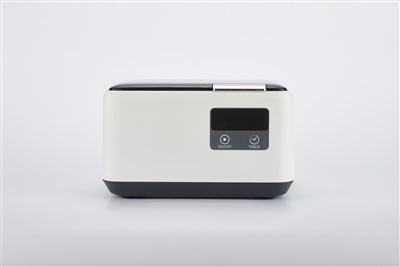
When it comes to cleaning jewelry, especially pieces adorned with a multitude of rubies, the question of whether an ultrasonic cleaner is a suitable option often arises. As a dedicated supplier of Ultrasonic Cleaners for Jewellery, I've encountered this query numerous times. In this blog, I'll delve into the intricacies of using ultrasonic cleaners on ruby - laden jewelry, exploring the science behind it, potential risks, and best practices.
Understanding Ultrasonic Cleaners
Ultrasonic cleaners operate on the principle of cavitation. When an ultrasonic cleaner is turned on, it generates high - frequency sound waves that create millions of tiny bubbles in the cleaning solution. These bubbles form and collapse rapidly, a process known as cavitation. The implosion of these bubbles produces a gentle yet effective scrubbing action on the surface of the object being cleaned, removing dirt, grime, and other contaminants.
Our company offers a range of ultrasonic cleaners tailored to different needs. For those with limited space or looking for a more budget - friendly option, the Mini Ultrasonic Jewellery Cleaner is a great choice. It's compact, easy to use, and can effectively clean small pieces of jewelry. On the other hand, professional jewelers or those who need to clean larger items may prefer the Professional Heated Ultrasonic Jewelry Cleaner. This model comes with a heating function, which can enhance the cleaning power of the solution and speed up the cleaning process. And if you're always on the go, the Portable Ultrasonic Jewelry Cleaner allows you to keep your jewelry clean wherever you are.
The Nature of Rubies
Rubies are a variety of the mineral corundum, second only to diamonds in hardness on the Mohs scale, with a rating of 9. This high hardness makes them relatively resistant to scratches and abrasions. However, the beauty of a ruby lies not only in its hardness but also in its inclusions. Inclusions are natural imperfections within the gemstone, such as tiny fractures, mineral deposits, or gas bubbles. These inclusions can sometimes be a cause for concern when using an ultrasonic cleaner.


Can Rubies Be Cleaned in an Ultrasonic Cleaner?
The short answer is: it depends. In general, rubies that are free of significant inclusions or fractures can be safely cleaned in an ultrasonic cleaner. The cavitation action of the cleaner is gentle enough not to damage the surface of the ruby, and it can effectively remove dirt, oil, and other contaminants that accumulate over time.
However, if a ruby has significant inclusions, especially those that are close to the surface or form a network of fractures, using an ultrasonic cleaner can be risky. The rapid formation and collapse of bubbles during cavitation can create pressure changes within the gemstone. If these pressure changes are too great, they can cause the existing fractures to widen or even lead to new fractures, potentially damaging the ruby.
Another factor to consider is the setting of the ruby in the jewelry. If the ruby is set in a delicate or intricate setting, the ultrasonic cleaner's vibrations could loosen the stone or damage the setting itself. For example, if the ruby is held in place by a thin prong setting, the vibrations might cause the prong to bend or break, leading to the loss of the stone.
Best Practices for Cleaning Ruby - Laden Jewelry in an Ultrasonic Cleaner
If you've determined that your ruby - laden jewelry is suitable for ultrasonic cleaning, here are some best practices to follow:
- Inspect the Jewelry: Before placing the jewelry in the ultrasonic cleaner, carefully examine the rubies for any visible inclusions, fractures, or signs of damage. Also, check the setting to ensure it is secure.
- Choose the Right Cleaning Solution: Use a mild, jewelry - specific cleaning solution. Avoid using harsh chemicals or abrasive cleaners, as they can damage the rubies and the metal parts of the jewelry.
- Set the Appropriate Time and Power: Follow the manufacturer's instructions for the ultrasonic cleaner. Start with a short cleaning cycle at a low power setting. You can always increase the time and power if necessary, but it's better to err on the side of caution.
- Rinse and Dry Properly: After cleaning, remove the jewelry from the ultrasonic cleaner and rinse it thoroughly under lukewarm water to remove any remaining cleaning solution. Then, pat it dry with a soft, lint - free cloth.
Alternatives to Ultrasonic Cleaning
If you're unsure about using an ultrasonic cleaner on your ruby - laden jewelry, there are alternative cleaning methods. One option is to clean the jewelry by hand using a soft brush and a mild soap solution. Gently scrub the jewelry, paying special attention to the areas around the rubies and the setting. Another option is to take the jewelry to a professional jeweler for cleaning. They have the expertise and equipment to clean the jewelry safely and effectively.
Conclusion
In conclusion, while ultrasonic cleaners can be a convenient and effective way to clean jewelry, using them on ruby - laden pieces requires careful consideration. Rubies with minimal inclusions and secure settings can generally be cleaned safely, but those with significant inclusions or delicate settings should be approached with caution.
As a supplier of Ultrasonic Cleaners for Jewellery, we're committed to providing you with the best products and information to help you keep your jewelry looking its best. If you have any questions about using our ultrasonic cleaners or need advice on cleaning your ruby - laden jewelry, we're here to help. Whether you're a professional jeweler, a jewelry enthusiast, or someone looking to keep their everyday jewelry clean, we can assist you in finding the right solution for your needs. Contact us to start a discussion about your jewelry - cleaning requirements and explore our range of ultrasonic cleaners.
References
- "Gemstone Encyclopedia" by Robert Weldon
- "The Science of Ultrasonic Cleaning" - A technical paper from the Ultrasonic Cleaning Association