Hey there! As a supplier of ultrasonic cleaners for jewellery, I often get asked this question: "Can I clean jewellery that has been exposed to chemicals in an ultrasonic cleaner?" Let's dive right into it and find out.
First off, let's understand how ultrasonic cleaners work. Ultrasonic cleaners use high - frequency sound waves to create tiny bubbles in a cleaning solution. These bubbles then implode, creating a scrubbing action that can remove dirt, grime, and other contaminants from the surface of the jewellery. It's a pretty nifty technology, and it's become a popular choice for cleaning all sorts of jewellery pieces.
Now, when it comes to jewellery that has been exposed to chemicals, the answer isn't a simple yes or no. It depends on a few factors.
The type of chemicals
The first thing to consider is the type of chemicals the jewellery has been in contact with. Some chemicals are relatively benign and won't cause any damage to the jewellery or the ultrasonic cleaner. For example, if your jewellery has been exposed to mild soaps, water - based cleaning agents, or even some common household chemicals like vinegar or lemon juice, chances are it can be safely cleaned in an ultrasonic cleaner.
On the other hand, there are some chemicals that can be extremely harmful. Strong acids, like hydrochloric acid or sulfuric acid, can corrode the metal in the jewellery. If your jewellery has been exposed to these types of chemicals, it's a big no - no to put it in an ultrasonic cleaner right away. The ultrasonic action can actually spread the corrosive chemicals further, causing more damage to the piece.
Heavy metals and their compounds can also pose a problem. For instance, if your jewellery has been in contact with mercury, it can react with certain metals like gold and silver, causing discoloration and weakening the structure of the jewellery. In such cases, it's best to consult a professional jeweller before attempting any cleaning.
The type of jewellery
The type of jewellery you're dealing with is also a crucial factor. Different materials respond differently to chemicals and ultrasonic cleaning.
- Precious metals: Gold, silver, and platinum are generally quite durable, but they can still be affected by certain chemicals. For example, chlorine can react with silver, causing it to tarnish more quickly. If your gold or silver jewellery has been exposed to chemicals like chlorine (perhaps from a swimming pool), it should be rinsed thoroughly with clean water before being placed in the ultrasonic cleaner. Platinum is more resistant to chemical corrosion, but it's still a good idea to take precautions.
- Gemstones: Gemstones have their own set of sensitivities. Some gemstones, like diamonds, sapphires, and rubies, are very hard and can withstand ultrasonic cleaning well. However, other gemstones, such as opals, pearls, and turquoise, are more porous and delicate. Chemical exposure can damage these gemstones, and ultrasonic cleaning might exacerbate the problem. For example, pearls are made of aragonite, which can be dissolved by acidic chemicals. If your pearl jewellery has been exposed to chemicals, it's best to avoid ultrasonic cleaning.
Pre - cleaning steps
Before you even think about putting your chemically - exposed jewellery in an ultrasonic cleaner, there are some pre - cleaning steps you should take.
- Rinse: The first and most important step is to rinse the jewellery thoroughly with clean water. This helps to remove any loose chemicals from the surface of the piece. Use lukewarm water and gently swish the jewellery around for a few minutes. You can also use a soft brush to gently scrub away any visible debris.
- Inspect: After rinsing, carefully inspect the jewellery for any signs of damage or discoloration. Look for scratches, cracks, or changes in color. If you notice any significant damage, it's best to consult a professional jeweller.
Using the right cleaning solution
Once you've determined that your jewellery is safe to clean in an ultrasonic cleaner, using the right cleaning solution is key. You can use a mild, jewellery - specific cleaning solution. There are many commercial products available that are designed to be used in ultrasonic cleaners.
Avoid using harsh chemicals or abrasive cleaners in the ultrasonic cleaner. These can damage both the jewellery and the cleaner itself. A simple solution of warm water and a few drops of mild dish soap can often do the trick. You can also find specialized ultrasonic cleaning solutions that are formulated to be gentle on jewellery.


Our ultrasonic cleaners
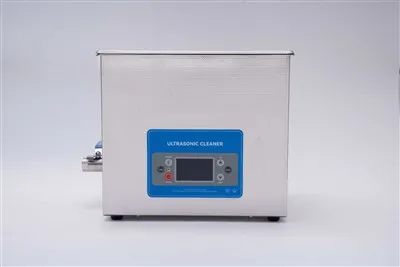
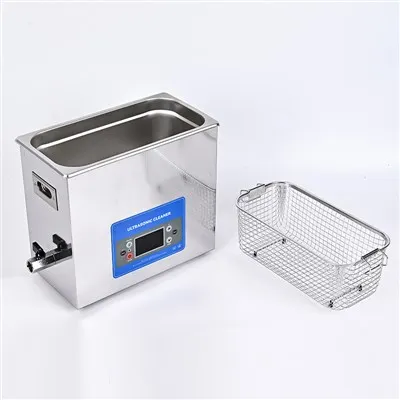
At our company, we offer a range of ultrasonic cleaners for jewellery that are designed to provide a safe and effective cleaning solution.
- The 600ml Ultrasonic Jewellery Cleaner is a great option for those who have a moderate amount of jewellery to clean. It has a 600ml capacity, which is enough to accommodate several pieces at once.
- If you're looking for more advanced features, the Digital Ultrasonic Jewellery Cleaner is the way to go. It allows you to set the cleaning time and temperature precisely, giving you more control over the cleaning process.
- And for those on the go, our Portable Ultrasonic Jewelry Cleaner is a convenient option. It's small and lightweight, making it easy to take with you wherever you are.
Conclusion
So, can you clean jewellery that has been exposed to chemicals in an ultrasonic cleaner? It's possible, but it depends on the type of chemicals and the type of jewellery. Always take the necessary precautions, such as rinsing the jewellery first and using the right cleaning solution.
If you're in the market for a high - quality ultrasonic cleaner for your jewellery, we're here to help. Our range of products is designed to meet your needs, whether you're a professional jeweller or just someone who loves to keep their jewellery looking its best.
If you're interested in purchasing our ultrasonic cleaners or have any questions, don't hesitate to reach out. We're always happy to have a chat about your requirements and help you find the perfect solution for your jewellery cleaning needs.
References
- "Jewelry Care and Cleaning Guide" by the Gemological Institute of America (GIA)
- "Ultrasonic Cleaning Technology: Principles and Applications" by various industry experts.