Can I clean body jewelry in an ultrasonic cleaner?
As a supplier of ultrasonic cleaners for jewelry, I often get asked whether it's safe and effective to clean body jewelry in an ultrasonic cleaner. In this blog post, I'll delve into this topic, exploring the ins and outs of using ultrasonic cleaners for body jewelry.
First, let's understand how ultrasonic cleaners work. Ultrasonic cleaners operate on the principle of ultrasonic waves. These high - frequency sound waves create tiny bubbles in a cleaning solution through a process called cavitation. When these bubbles collapse near the surface of the jewelry, they generate a powerful scrubbing action that can dislodge dirt, grime, and other contaminants from the jewelry's nooks and crannies.
Now, let's consider the types of body jewelry. Body jewelry comes in a wide variety of materials, including gold, silver, stainless steel, titanium, and various gemstones. Each material has its own set of characteristics and requirements when it comes to cleaning.
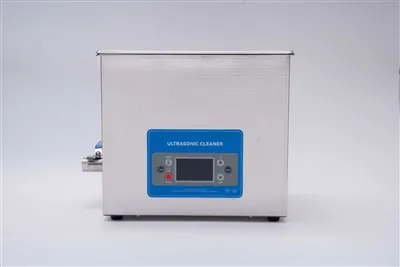
For metals like gold and silver, ultrasonic cleaners can be a great option. Gold is a relatively soft metal, and over time, it can accumulate dirt, oils from the skin, and other debris. An ultrasonic cleaner can effectively remove these contaminants without causing significant damage to the gold. Our Gold Jewellery Ultrasonic Cleaner is specifically designed to handle gold jewelry. It uses the right frequency and power settings to ensure a thorough yet gentle cleaning process.
Silver, on the other hand, is prone to tarnishing. The ultrasonic cleaning action can help remove the tarnish layer along with any dirt on the surface. However, it's important to note that if the silver jewelry has any delicate engravings or is plated, extra care should be taken. Some plating may be damaged by the intense cavitation action, so it's advisable to test a small, inconspicuous area first.
Stainless steel and titanium body jewelry are also suitable for ultrasonic cleaning. These metals are durable and resistant to corrosion. The ultrasonic cleaner can quickly remove any sweat, dirt, or bacteria that may have accumulated on the surface. This is especially important for body jewelry, as it comes into direct contact with the skin, and maintaining its cleanliness is crucial for hygiene.
When it comes to gemstones, the situation is a bit more complex. Some gemstones, such as diamonds, sapphires, and rubies, are hard and can withstand ultrasonic cleaning well. These gemstones have a high Mohs hardness rating, which means they are less likely to be damaged by the cavitation process. However, other gemstones like opals, pearls, and emeralds are more delicate. Opals are porous and can absorb the cleaning solution, which may cause them to crack or lose their luster. Pearls are made of aragonite and conchiolin, and the ultrasonic waves can damage their surface. Emeralds often have inclusions and fractures, and the pressure from the collapsing bubbles can potentially cause these to worsen. So, it's generally not recommended to clean these types of gemstones in an ultrasonic cleaner.
Another factor to consider is the design of the body jewelry. If the jewelry has hollow parts, intricate settings, or small crevices, an ultrasonic cleaner can be very effective in reaching these areas. The bubbles can penetrate deep into the spaces and dislodge any trapped dirt. However, if the jewelry has loose parts or is poorly constructed, the ultrasonic vibrations may cause these parts to come loose or even break off.
Now, let's talk about the cleaning solution. Using the right cleaning solution is essential for effective and safe cleaning. You can use a mild, jewelry - specific cleaning solution. Avoid using harsh chemicals or abrasive cleaners, as these can damage the jewelry. Some people also use a mixture of warm water and a small amount of dish soap. However, make sure to rinse the jewelry thoroughly after cleaning to remove any residue.
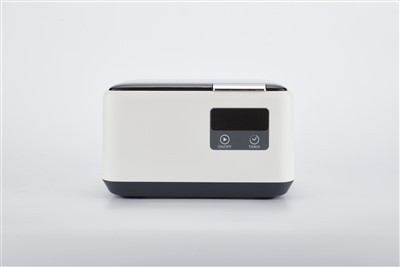
Our Portable Mini Ultrasonic Jewelry Cleaner and Portable Ultrasonic Jewelry Cleaner are convenient options for cleaning body jewelry. They are compact, easy to use, and can be used at home or on - the - go. They come with clear instructions on how to use them safely and effectively.
To clean body jewelry in an ultrasonic cleaner, follow these steps:


- Check the jewelry for any loose parts or damage. If you find any, it's best to have it repaired before cleaning.
- Remove any additional items attached to the jewelry, such as charms or beads, if possible.
- Fill the ultrasonic cleaner with the appropriate cleaning solution. Make sure not to overfill it.
- Place the body jewelry in the cleaner, ensuring that it is fully submerged.
- Turn on the cleaner and let it run for the recommended time. This usually ranges from 3 - 10 minutes, depending on the level of dirt and the type of jewelry.
- After the cleaning cycle is complete, carefully remove the jewelry from the cleaner using tweezers or a soft - tipped instrument.
- Rinse the jewelry thoroughly under running water to remove any remaining cleaning solution.
- Pat the jewelry dry with a soft, lint - free cloth.
In conclusion, in most cases, it is possible to clean body jewelry in an ultrasonic cleaner, but it's important to consider the material, design, and any gemstones present in the jewelry. With the right precautions and the use of a suitable ultrasonic cleaner, you can keep your body jewelry clean and looking its best.
If you're interested in purchasing an ultrasonic cleaner for your body jewelry or have any questions about our products, we encourage you to contact us for a procurement discussion. We have a team of experts who can provide you with detailed information and help you choose the right product for your needs.
References
- "Gemstone Identification and Properties" - A comprehensive guide on gemstone characteristics and care.
- "Metals in Jewelry: Properties and Applications" - A publication that details the properties of different metals used in jewelry.
- "Ultrasonic Cleaning Technology: Principles and Applications" - A technical resource on how ultrasonic cleaners work and their various uses.