Can an ultrasonic parts cleaner clean gardening tools?
As a supplier of Ultrasonic Parts Cleaners, I often get asked about the versatility of our products. One question that has come up more frequently lately is whether an ultrasonic parts cleaner can effectively clean gardening tools. In this blog post, I'll explore this topic in depth, looking at the science behind ultrasonic cleaning, the types of gardening tools that can benefit, and the advantages of using this method.
The Science of Ultrasonic Cleaning
Ultrasonic cleaning is a highly effective method that uses high - frequency sound waves to create microscopic bubbles in a cleaning solution. This process is known as cavitation. When these bubbles collapse near a surface, they generate a powerful scrubbing action that can remove dirt, grease, rust, and other contaminants from the object being cleaned.
The key to ultrasonic cleaning is the frequency of the sound waves. Most ultrasonic parts cleaners operate at frequencies between 20 kHz and 400 kHz. The lower frequencies are better for removing heavy - duty contaminants, while the higher frequencies are more suitable for delicate cleaning tasks.
Types of Gardening Tools That Can Be Cleaned
Hand Tools
Hand tools such as pruning shears, trowels, and cultivators are commonly used in gardening. Over time, they can accumulate dirt, plant sap, and rust. An ultrasonic parts cleaner can be very effective in cleaning these tools. For example, pruning shears often have small crevices where dirt and sap can get trapped. The cavitation action of the ultrasonic cleaner can reach these hard - to - reach areas and remove the contaminants.
Power Tools
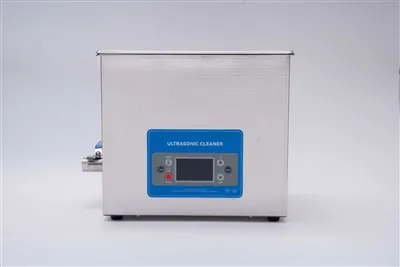
Gardening power tools like hedge trimmers and leaf blowers also benefit from ultrasonic cleaning. These tools have internal components that can get clogged with dust, debris, and oil. A Powerful Ultrasonic Parts Cleaner can clean the internal parts of these power tools, improving their performance and extending their lifespan.


Lawn Mower Blades
Lawn mower blades are constantly in contact with grass, dirt, and sometimes small stones. This can lead to the build - up of grass clippings, dirt, and rust on the blades. An ultrasonic cleaner can thoroughly clean the blades, ensuring a sharp cutting edge and reducing the risk of uneven cuts on the lawn.
Advantages of Using an Ultrasonic Parts Cleaner for Gardening Tools
Thorough Cleaning
As mentioned earlier, the cavitation process in ultrasonic cleaning can reach areas that are difficult to access with traditional cleaning methods. This means that all parts of the gardening tools, including small holes, crevices, and internal components, can be effectively cleaned.
Time - Saving
Cleaning gardening tools by hand can be a time - consuming process, especially when dealing with stubborn dirt and rust. An ultrasonic parts cleaner can significantly reduce the cleaning time. For example, a set of pruning shears that might take 15 - 20 minutes to clean by hand can be cleaned in just a few minutes in an ultrasonic cleaner.
Gentle on Tools
Unlike some abrasive cleaning methods, ultrasonic cleaning is gentle on the surface of the tools. It doesn't scratch or damage the metal, plastic, or other materials used in gardening tools. This helps to maintain the integrity of the tools and prolong their useful life.
Choosing the Right Ultrasonic Parts Cleaner
When choosing an ultrasonic parts cleaner for gardening tools, there are a few factors to consider.
Size
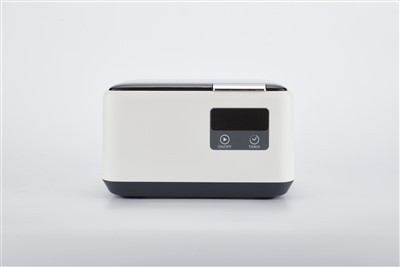
The size of the cleaner should be appropriate for the size of the gardening tools you want to clean. If you mainly have small hand tools, a Fast - heating 2L Ultrasonic Fuel Injector Cleaner With Stainless Steel Basket might be sufficient. However, if you need to clean larger tools like lawn mower blades, you'll need a larger capacity cleaner.
Power
The power of the ultrasonic cleaner determines the strength of the cavitation action. For heavy - duty cleaning of gardening tools with a lot of dirt and rust, a more powerful cleaner is recommended.
Frequency
As mentioned earlier, different frequencies are suitable for different cleaning tasks. If you need to clean a variety of gardening tools, a cleaner with adjustable frequency settings can be a good choice.
How to Use an Ultrasonic Parts Cleaner for Gardening Tools
- Prepare the Cleaning Solution: Fill the ultrasonic cleaner with an appropriate cleaning solution. You can use a mild detergent or a specialized cleaning solution for metal tools.
- Place the Tools in the Cleaner: Make sure the tools are fully submerged in the cleaning solution. If the tools are large, you may need to clean them in parts.
- Set the Cleaning Time and Temperature: Most ultrasonic cleaners allow you to set the cleaning time and temperature. For gardening tools, a cleaning time of 10 - 20 minutes at a moderate temperature is usually sufficient.
- Remove and Rinse the Tools: After the cleaning cycle is complete, carefully remove the tools from the cleaner and rinse them thoroughly with clean water.
- Dry the Tools: Dry the tools completely to prevent rusting. You can use a clean cloth or let them air - dry.
Conclusion
In conclusion, an Ultrasonic Parts Cleaner can be a great investment for gardeners. It offers a thorough, time - saving, and gentle way to clean a variety of gardening tools. Whether you're a professional gardener or a hobbyist, using an ultrasonic cleaner can help you keep your tools in top condition.
If you're interested in purchasing an ultrasonic parts cleaner for your gardening tools, we'd love to hear from you. Contact us to discuss your specific needs and start a procurement negotiation. We can provide you with detailed information about our products and help you choose the best cleaner for your requirements.
References
- "Ultrasonic Cleaning: Principles and Applications" - A comprehensive guide on the science and uses of ultrasonic cleaning.
- "Gardening Tool Maintenance: Best Practices" - An article that discusses the importance of keeping gardening tools clean and well - maintained.