Can an Ultrasonic Eyeglass Cleaner Clean the Lenses of Magnifying Glasses?
As a supplier of ultrasonic eyeglass cleaners, I've received numerous inquiries about the versatility of our products. One question that frequently arises is whether an ultrasonic eyeglass cleaner can effectively clean the lenses of magnifying glasses. In this blog post, I'll delve into the science behind ultrasonic cleaning, explore the compatibility of magnifying glass lenses with this cleaning method, and provide insights to help you make an informed decision.
Understanding Ultrasonic Cleaning Technology
Before we discuss the suitability of ultrasonic cleaning for magnifying glass lenses, it's essential to understand how ultrasonic cleaners work. Ultrasonic cleaning relies on the principle of cavitation, which involves the formation, growth, and implosion of tiny bubbles in a liquid medium. When an ultrasonic cleaner is turned on, it emits high-frequency sound waves that create pressure variations in the cleaning solution. These pressure changes cause the formation of microscopic bubbles, which then collapse violently, generating intense shockwaves.
The shockwaves produced by the collapsing bubbles are powerful enough to dislodge dirt, grime, and other contaminants from the surface of the object being cleaned. This process is highly effective at removing even the most stubborn particles, making ultrasonic cleaning a popular choice for a wide range of applications, including jewelry cleaning, dental instrument sterilization, and, of course, eyeglass cleaning.
Compatibility of Magnifying Glass Lenses with Ultrasonic Cleaning
Magnifying glass lenses are typically made from various materials, including glass, plastic, and acrylic. The good news is that most of these materials are compatible with ultrasonic cleaning, as long as certain precautions are taken.
- Glass Lenses: Glass lenses are generally safe to clean in an ultrasonic cleaner. Glass is a durable material that can withstand the mechanical forces generated by the cavitation process. However, it's important to ensure that the glass is free from any cracks or chips before cleaning, as these imperfections could potentially worsen during the cleaning process.
- Plastic and Acrylic Lenses: Plastic and acrylic lenses are more prone to scratching and damage than glass lenses. While they can still be cleaned in an ultrasonic cleaner, it's crucial to use a gentle cleaning solution and a soft, non-abrasive cleaning basket to prevent scratching. Additionally, it's advisable to limit the cleaning time to avoid overexposure to the ultrasonic waves, which could cause the plastic or acrylic to become brittle.
Benefits of Using an Ultrasonic Cleaner for Magnifying Glass Lenses
There are several benefits to using an ultrasonic cleaner to clean the lenses of magnifying glasses:
- Deep Cleaning: Ultrasonic cleaning is capable of reaching into the smallest crevices and pores of the lens surface, removing dirt, dust, and other contaminants that may be difficult to remove with traditional cleaning methods. This results in a more thorough and effective cleaning, leaving your magnifying glass lenses crystal clear.
- Time-Saving: Ultrasonic cleaning is a quick and efficient process that can significantly reduce the time and effort required to clean your magnifying glasses. Instead of spending hours scrubbing and polishing the lenses by hand, you can simply place them in the ultrasonic cleaner and let the machine do the work for you.
- Gentle on Lenses: Unlike abrasive cleaning methods, such as using a rough cloth or harsh chemicals, ultrasonic cleaning is gentle on the lenses of magnifying glasses. The cavitation process creates a mild, yet effective cleaning action that doesn't scratch or damage the lens surface, ensuring that your magnifying glasses remain in pristine condition.
Choosing the Right Ultrasonic Cleaner for Magnifying Glass Lenses
When selecting an ultrasonic cleaner for cleaning magnifying glass lenses, there are several factors to consider:


- Size: Choose an ultrasonic cleaner that is large enough to accommodate your magnifying glasses comfortably. A cleaner with a larger tank capacity will allow you to clean multiple magnifying glasses at once, saving you time and effort.
- Power: The power of an ultrasonic cleaner is measured in watts. A higher wattage cleaner will generally produce more powerful ultrasonic waves, resulting in a more effective cleaning action. However, it's important to choose a cleaner with the appropriate power for the type of lenses you're cleaning to avoid damaging them.
- Features: Look for an ultrasonic cleaner that offers additional features, such as adjustable cleaning time, temperature control, and a built-in timer. These features can provide greater flexibility and control over the cleaning process, allowing you to customize the cleaning settings to suit your specific needs.
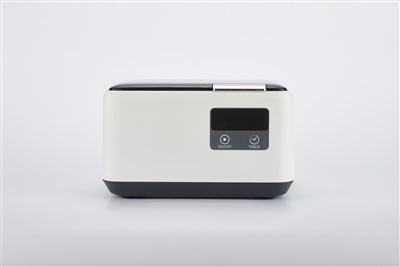
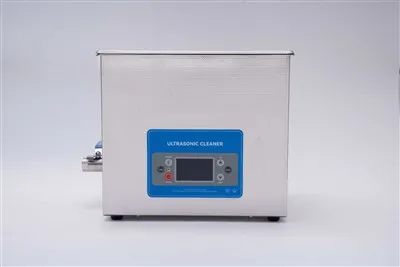
At our company, we offer a wide range of ultrasonic eyeglass cleaners that are suitable for cleaning magnifying glass lenses. Our Ultrasonic Cleaner for Eyeglass Cleaner is a popular choice among customers, thanks to its compact size, powerful cleaning performance, and affordable price. For those who require more advanced features, our Digital Ultrasonic Eyeglass Cleaner offers precise control over the cleaning process, allowing you to adjust the cleaning time, temperature, and power settings to achieve optimal results. And if you're looking for a cleaner that is specifically designed for household use, our Household Ultrasonic Eyeglass Cleaner is a great option.
Tips for Cleaning Magnifying Glass Lenses with an Ultrasonic Cleaner
To ensure the best results when cleaning magnifying glass lenses with an ultrasonic cleaner, follow these tips:
- Pre-Clean the Lenses: Before placing the magnifying glasses in the ultrasonic cleaner, rinse them under running water to remove any loose dirt or debris. This will help prevent the dirt from being redeposited on the lenses during the cleaning process.
- Use a Gentle Cleaning Solution: Fill the ultrasonic cleaner with a gentle cleaning solution that is specifically formulated for cleaning eyeglasses or delicate optical surfaces. Avoid using harsh chemicals or abrasive cleaners, as these can damage the lens coating.
- Place the Lenses in a Cleaning Basket: To prevent the magnifying glasses from scratching against the bottom or sides of the ultrasonic cleaner tank, place them in a soft, non-abrasive cleaning basket. This will also help keep the lenses separated and prevent them from colliding with each other during the cleaning process.
- Follow the Manufacturer's Instructions: Always follow the manufacturer's instructions when using an ultrasonic cleaner. This includes using the appropriate cleaning solution, setting the correct cleaning time and temperature, and ensuring that the cleaner is properly maintained.
Conclusion
In conclusion, an ultrasonic eyeglass cleaner can be an effective and convenient tool for cleaning the lenses of magnifying glasses. By understanding the science behind ultrasonic cleaning, choosing the right cleaner for your needs, and following the proper cleaning procedures, you can keep your magnifying glasses clean, clear, and in excellent condition.
If you're interested in purchasing an ultrasonic eyeglass cleaner for cleaning magnifying glass lenses, or if you have any questions or concerns about our products, please don't hesitate to contact us. Our team of experts is always available to provide you with the information and support you need to make an informed decision. We look forward to helping you find the perfect ultrasonic cleaner for your needs.
References
- "Ultrasonic Cleaning: Principles and Applications." Journal of the American Institute for Conservation, vol. 40, no. 2, 2001, pp. 157-176.
- "The Science of Ultrasonic Cleaning." Ultrasonic Power Corporation, 2018.
- "Cleaning and Maintenance of Optical Lenses." Optics and Photonics News, vol. 29, no. 10, 2018, pp. 40-45.