Can an ultrasonic eyeglass cleaner clean hard - to - reach areas of glasses?
As a supplier of ultrasonic eyeglass cleaners, I've been frequently asked whether these devices can effectively clean the hard - to - reach areas of glasses. In this blog, I'll delve into the science behind ultrasonic cleaning and explain how it tackles those tricky spots on your eyewear.
How Ultrasonic Cleaning Works
Ultrasonic cleaning is based on the principle of cavitation. When an ultrasonic cleaner is in operation, it generates high - frequency sound waves that travel through the cleaning solution. These sound waves create alternating high - and low - pressure cycles. In the low - pressure phase, tiny bubbles form in the liquid. As the pressure increases again, these bubbles collapse violently, a process known as cavitation.
The energy released during cavitation is quite remarkable. The implosion of these bubbles produces micro - jets of liquid that can reach speeds of up to hundreds of kilometers per hour. These micro - jets are what do the actual cleaning work. They can dislodge dirt, grime, and other contaminants from the surfaces they come into contact with.
Hard - to - Reach Areas on Glasses
Glasses have several hard - to - reach areas that are difficult to clean using traditional methods. The nose pads are one such area. Over time, skin oils, sweat, and dirt accumulate on the nose pads, which can not only make the glasses look dirty but also cause skin irritation. The hinges of the glasses are another problem area. Dust and debris can get trapped in the small crevices of the hinges, making them stiff and difficult to open and close smoothly.
The edges of the lenses, especially where they meet the frame, are also prone to collecting dirt. And for those with anti - reflective coatings or other special treatments on their lenses, there may be microscopic pores or grooves that can trap contaminants.


Cleaning Hard - to - Reach Areas with Ultrasonic Eyeglass Cleaners
The unique cleaning mechanism of ultrasonic cleaners makes them highly effective in cleaning these hard - to - reach areas. When you place your glasses in an ultrasonic cleaner filled with an appropriate cleaning solution, the high - energy micro - jets generated by cavitation can penetrate into the smallest crevices and pores.
For the nose pads, the micro - jets can break down the accumulated oils and dirt, lifting them off the surface and into the cleaning solution. The same goes for the hinges. The powerful cleaning action can dislodge the dust and debris that have been stuck in the hinges, restoring their smooth operation.
On the edges of the lenses, the ultrasonic waves can reach areas that a regular cloth or brush might miss. The cleaning solution, combined with the cavitation effect, can clean the area where the lens meets the frame, removing any dirt or residue.
Even for the microscopic pores in special lens coatings, the ultrasonic cleaner can work its magic. The micro - jets can enter these pores and flush out the trapped contaminants, leaving the lenses clean and clear.
Different Types of Ultrasonic Eyeglass Cleaners
There are several types of ultrasonic eyeglass cleaners available on the market, each with its own features and benefits.
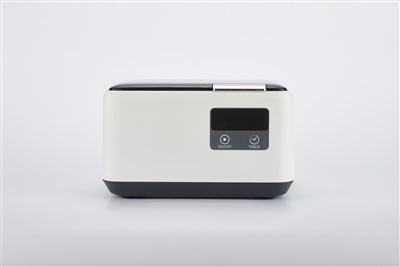
The Household Ultrasonic Eyeglass Cleaner is designed for everyday use at home. It is usually compact and easy to operate. These cleaners are suitable for cleaning a single pair of glasses at a time and are a great option for individuals who want to keep their glasses clean on a regular basis.
The Digital Ultrasonic Eyeglass Cleaner offers more advanced features. It often comes with a digital control panel that allows you to set the cleaning time and intensity. This type of cleaner is ideal for those who want more precise control over the cleaning process, especially if they have delicate or high - end glasses.
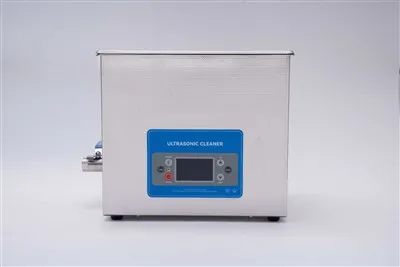
The Ultrasonic Cleaner for Eyeglass Cleaner is a more heavy - duty option. It is capable of cleaning multiple pairs of glasses simultaneously and is often used in optometry clinics, eyewear stores, or other professional settings.
Tips for Using Ultrasonic Eyeglass Cleaners
To get the best results when using an ultrasonic eyeglass cleaner, there are a few tips to keep in mind. First, always use an appropriate cleaning solution. Using plain water may not be as effective as a specialized eyeglass cleaning solution. The cleaning solution helps to enhance the cavitation effect and can also break down certain types of contaminants more effectively.
Second, make sure to place the glasses in the cleaner correctly. Avoid overcrowding the cleaner, as this can reduce the effectiveness of the cleaning. It's also a good idea to remove any large debris from the glasses before placing them in the cleaner.
Finally, follow the manufacturer's instructions regarding the cleaning time. Over - cleaning can sometimes damage the glasses, especially if they have special coatings.
Conclusion
In conclusion, ultrasonic eyeglass cleaners are highly effective in cleaning the hard - to - reach areas of glasses. Their unique cavitation - based cleaning mechanism allows them to penetrate into the smallest crevices and pores, removing dirt, grime, and other contaminants that traditional cleaning methods may miss.
Whether you're an individual looking to keep your everyday glasses clean or a professional in the eyewear industry, an ultrasonic eyeglass cleaner can be a valuable tool. If you're interested in purchasing an ultrasonic eyeglass cleaner for your needs, we'd love to have a discussion with you. Contact us to start a procurement negotiation and find the perfect ultrasonic eyeglass cleaner for you.
References
- "Ultrasonic Cleaning Technology" - A technical guide on the principles and applications of ultrasonic cleaning.
- "Eyewear Maintenance and Cleaning" - A research paper on the best practices for keeping glasses clean and in good condition.