Tartar buildup on dentures is a common issue that not only affects the appearance of the dentures but also poses potential risks to oral health. As a leading supplier of ultrasonic denture cleaners, we often receive inquiries about whether our products can effectively remove tartar from dentures. In this blog post, we will delve into the science behind ultrasonic cleaning technology and its effectiveness in tackling tartar on dentures.
Understanding Tartar on Dentures
Tartar, also known as calculus, is a hard, yellowish - brown deposit that forms on the surface of dentures. It is composed of plaque, a sticky film of bacteria that accumulates on dentures, along with minerals from saliva. Over time, the plaque hardens into tartar due to the calcification process. Tartar is difficult to remove with regular brushing alone because it adheres tightly to the denture surface. If left untreated, tartar can cause bad breath, gum irritation, and even contribute to the development of oral infections.
How Ultrasonic Denture Cleaners Work
Ultrasonic denture cleaners utilize a technology called cavitation. These cleaners are equipped with a transducer that emits high - frequency sound waves, typically in the range of 20,000 to 40,000 Hertz. When these sound waves pass through the cleaning solution in the cleaner's tank, they create millions of tiny bubbles through a process known as cavitation.
The bubbles form and collapse rapidly. When the bubbles collapse near the surface of the denture, they generate a powerful shockwave. This shockwave is strong enough to dislodge dirt, debris, and bacteria from the denture's surface and crevices. The ultrasonic waves can reach areas that are difficult to access with a toothbrush, ensuring a thorough cleaning.
Can Ultrasonic Denture Cleaners Remove Tartar?
The answer is both yes and no. Ultrasonic denture cleaners can be effective in removing some soft tartar and surface - level tartar buildup. The cavitation effect created by the ultrasonic waves can break down the weaker bonds that hold the tartar to the denture surface, allowing it to be lifted off and suspended in the cleaning solution.


However, when it comes to hard, well - established tartar, ultrasonic cleaners may have limitations. Hard tartar has a more compact and firmly - attached structure. The shockwaves generated by the ultrasonic cleaner might not be strong enough to completely remove large, hardened tartar deposits. In such cases, additional cleaning methods may be required.
Factors Affecting the Effectiveness of Ultrasonic Cleaners on Tartar
1. Tartar Thickness and Hardness
As mentioned earlier, soft and newly - formed tartar is more likely to be removed by an ultrasonic cleaner compared to thick, long - standing tartar. The longer the tartar has been on the denture, the harder it becomes, and the more difficult it is to dislodge.
2. Cleaning Solution
The type of cleaning solution used in the ultrasonic cleaner can significantly impact its effectiveness. Some cleaning solutions are formulated to break down tartar and enhance the cleaning power of the ultrasonic waves. For example, solutions containing enzymes can help dissolve the organic components of tartar, making it easier for the ultrasonic cleaner to remove.
3. Cleaning Time
The duration for which the denture is placed in the ultrasonic cleaner also matters. Longer cleaning times may increase the chances of tartar removal, but it is important to follow the manufacturer's instructions to avoid damaging the denture.
Complementary Cleaning Methods
To achieve the best results in tartar removal, ultrasonic denture cleaners can be used in combination with other cleaning methods.
1. Brushing
Even after using an ultrasonic cleaner, it is recommended to brush the denture gently with a soft - bristled toothbrush and a denture - specific cleaner. This can help remove any remaining tartar particles and ensure a more thorough cleaning.
2. Chemical Soaks
There are various chemical denture soaks available on the market that are designed to dissolve tartar. Soaking the denture in these solutions before or after using the ultrasonic cleaner can enhance the overall tartar - removal process.
Our Ultrasonic Denture Cleaner Products
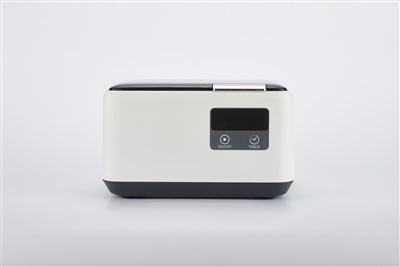
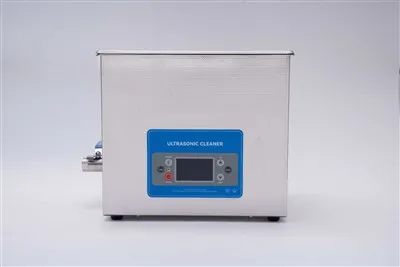
As a supplier of ultrasonic denture cleaners, we offer a range of high - quality products designed to meet different customer needs. Our cleaners are equipped with advanced transducers that generate powerful ultrasonic waves for effective cleaning.
We also have Household Ultrasonic Retainer Cleaner which is not only suitable for dentures but also for retainers. It is a great addition to any household for maintaining oral appliance hygiene.
The Ultrasonic Cleaner for Retainers is specifically engineered to provide a gentle yet thorough cleaning for retainers and dentures. It uses the latest ultrasonic technology to ensure that all types of debris, including some tartar, are removed.
For those looking for a more customized option, our Custom Logo Mini Ultrasonic Retainer Cleaner Machine | CE/ROHS Compliant is an ideal choice. It is compact, easy to use, and can be customized with your logo, making it a great option for businesses or individuals who want a unique cleaning solution.
Contact Us for Purchase and Negotiation
If you are interested in our ultrasonic denture cleaners and want to discuss purchasing options or have any questions about tartar removal and our products, we encourage you to get in touch with us. Our team of experts is ready to assist you in finding the best cleaning solution for your denture care needs. Whether you are a dental professional looking to supply your clinic or an individual seeking a reliable denture cleaner, we have the products and expertise to meet your requirements.
References
- ADA Council on Scientific Affairs. (2019). Guidelines for the evaluation of denture cleansers. Journal of the American Dental Association, 150(5), 437 - 446.
- Leung, K. K., & Chu, C. H. (2017). Ultrasonic cleaning of dental appliances: A review. Journal of Prosthodontics, 26(8), 735 - 740.
- American College of Prosthodontists. (2020). Care and maintenance of removable dental prostheses. Journal of Prosthodontics, 29(S1), S1 - S10.