As a supplier of Mini Ultrasonic Retainer Cleaners, I often encounter questions from customers about the compatibility of our products with different types of retainers, especially those with a rubbery texture. In this blog post, I will delve into the scientific aspects of using a Mini Ultrasonic Retainer Cleaner for retainers with rubbery textures, providing detailed information and analysis to help you make an informed decision.
Understanding Ultrasonic Cleaning Technology
Before discussing the compatibility with rubbery retainers, it's essential to understand how ultrasonic cleaners work. Ultrasonic cleaning utilizes high - frequency sound waves that create tiny bubbles in a cleaning solution through a process called cavitation. When these bubbles collapse near the surface of an object, they generate shockwaves that can dislodge dirt, debris, and bacteria from the object. This gentle yet effective cleaning method is commonly used in various industries, including dentistry, for cleaning retainers, dentures, and other oral appliances.
The frequency of the ultrasonic waves in our Mini Ultrasonic Retainer Cleaners is carefully calibrated to ensure efficient cleaning without causing damage to most materials. The typical frequency range is between 40kHz - 60kHz, which is ideal for creating the necessary cavitation effects while remaining gentle enough for delicate items.
Characteristics of Retainers with Rubbery Textures
Retainers with rubbery textures are often made from materials such as thermoplastic elastomers or silicone. These materials are flexible, comfortable to wear, and have good biocompatibility. However, they also have unique properties that can affect the cleaning process.
Rubbery materials tend to be more porous than hard plastic retainers. This means that they can trap more debris and bacteria within their pores, making thorough cleaning even more important. At the same time, the flexibility of rubbery retainers can make them more prone to damage if not cleaned properly.
Can a Mini Ultrasonic Retainer Cleaner be Used for Rubbery - Textured Retainers?
The answer is generally yes, a Mini Ultrasonic Retainer Cleaner can be used for retainers with a rubbery texture, but there are some considerations to keep in mind.
Advantages of Using an Ultrasonic Cleaner for Rubbery Retainers
- Deep Cleaning: The cavitation effect of ultrasonic cleaning can reach into the pores of the rubbery material, effectively removing dirt, plaque, and bacteria that may be trapped inside. This is especially important for maintaining good oral hygiene, as bacteria can cause bad breath, tooth decay, and gum disease if left unchecked.
- Gentle Cleaning: Unlike some abrasive cleaning methods, ultrasonic cleaning is relatively gentle on the rubbery material. The high - frequency sound waves do not cause physical abrasion, which helps to preserve the integrity and flexibility of the retainer over time.
- Time - Saving: Ultrasonic cleaning is a fast and efficient way to clean retainers. In just a few minutes, the retainer can be thoroughly cleaned, saving you time and effort compared to manual cleaning methods.
Potential Disadvantages and Precautions
- Material Compatibility: While most rubbery materials are compatible with ultrasonic cleaning, there may be some exceptions. Some low - quality or specialized rubbery materials may be more sensitive to the cleaning process. It's always a good idea to check with the manufacturer of the retainer to ensure that ultrasonic cleaning is recommended.
- Over - Cleaning: Excessive use of an ultrasonic cleaner can potentially damage the rubbery material. It's important to follow the recommended cleaning frequency and time. Generally, cleaning the retainer once a day or every other day for 3 - 5 minutes is sufficient.
- Cleaning Solution: The choice of cleaning solution is crucial when using an ultrasonic cleaner for rubbery retainers. Harsh chemicals can cause the rubber to degrade, become brittle, or lose its elasticity. It's recommended to use a mild, non - abrasive cleaning solution specifically designed for oral appliances.
How to Properly Use a Mini Ultrasonic Retainer Cleaner for Rubbery Retainers
To ensure the best cleaning results and maintain the quality of your rubbery retainer, follow these steps:
- Rinse the Retainer: Before placing the retainer in the ultrasonic cleaner, rinse it under running water to remove any loose debris.
- Prepare the Cleaning Solution: Fill the ultrasonic cleaner with the appropriate amount of cleaning solution. Make sure to use a solution that is safe for rubbery materials.
- Place the Retainer in the Cleaner: Gently place the retainer in the cleaning solution, ensuring that it is fully submerged. Avoid overcrowding the cleaner, as this can reduce the effectiveness of the cleaning process.
- Start the Cleaning Cycle: Turn on the ultrasonic cleaner and set the appropriate cleaning time. As mentioned earlier, 3 - 5 minutes is usually sufficient.
- Rinse and Dry the Retainer: After the cleaning cycle is complete, remove the retainer from the cleaner and rinse it thoroughly under running water. Pat it dry with a clean towel or let it air dry.
Our Mini Ultrasonic Retainer Cleaner Products
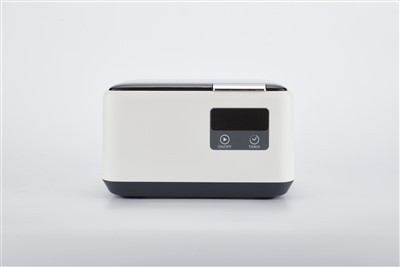
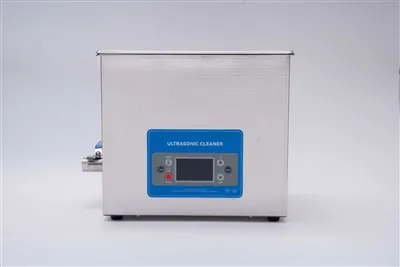
We offer a range of Mini Ultrasonic Retainer Cleaners that are suitable for cleaning retainers with rubbery textures. Our Retainers Ultrasonic Cleaner provides powerful and efficient cleaning, with adjustable cleaning times to meet your specific needs. The compact design makes it easy to use at home or on the go.


If you are looking for a more portable option, our Portable Ultrasonic Retainer Cleaner is a great choice. It is battery - operated and can be easily carried in your bag, allowing you to keep your retainer clean wherever you are.
In addition to retainer cleaners, we also offer an Ultrasonic Denture Cleaner for those who wear dentures. The same ultrasonic cleaning technology can effectively remove stains and bacteria from dentures, ensuring a fresh and clean oral environment.
Contact Us for Procurement
If you are interested in our Mini Ultrasonic Retainer Cleaners or have any questions about using them for rubbery - textured retainers, we welcome you to contact us for a procurement discussion. Our team of experts will be happy to provide you with more information and assist you in making the right choice for your needs. Whether you are a dental professional looking to supply these cleaners to your patients or an individual consumer, we are committed to offering high - quality products and excellent customer service.
References
- "Ultrasonic Cleaning in Dentistry: Principles and Applications" - Journal of Dental Research
- Manufacturer's guidelines for rubbery retainers and ultrasonic cleaners.