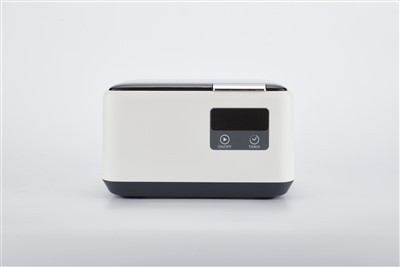
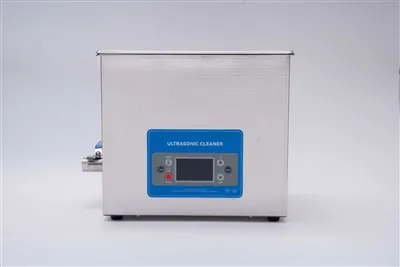
As a supplier of Mini Ultrasonic Jewellery Cleaners, I often get asked whether these compact cleaning devices can effectively clean jewelry with beaded accents. It's a valid question, considering the delicate nature of beads and the potential risks involved in cleaning them. In this blog post, I'll delve into the science behind ultrasonic cleaning, discuss the compatibility of beaded jewelry with mini ultrasonic cleaners, and provide some practical tips for ensuring a safe and effective cleaning process.
How Ultrasonic Cleaning Works
Before we explore the suitability of mini ultrasonic cleaners for beaded jewelry, let's first understand how ultrasonic cleaning technology works. Ultrasonic cleaners use high-frequency sound waves, typically in the range of 20,000 to 40,000 Hertz, to create millions of tiny bubbles in a cleaning solution. This phenomenon is known as cavitation.
When these bubbles collapse, they generate a powerful scrubbing action that can dislodge dirt, grime, and other contaminants from the surface of the jewelry. The microscopic bubbles can penetrate into the smallest crevices and pores, ensuring a thorough and deep cleaning without the need for harsh chemicals or abrasive brushes.
Compatibility of Beaded Jewelry with Mini Ultrasonic Cleaners
The compatibility of beaded jewelry with mini ultrasonic cleaners depends on several factors, including the type of beads, the setting, and the overall construction of the piece. Here are some key considerations to keep in mind:
Type of Beads
- Gemstone Beads: Many gemstone beads, such as diamonds, sapphires, rubies, and emeralds, are generally safe to clean in a mini ultrasonic cleaner. These hard gemstones can withstand the cavitation process without being damaged. However, some softer gemstones, like opals, pearls, turquoise, and amber, are more delicate and may be prone to damage. The vibrations and pressure from the ultrasonic waves can cause these gemstones to crack, chip, or lose their luster. It's best to avoid cleaning jewelry with these types of gemstone beads in an ultrasonic cleaner.
- Glass Beads: Glass beads are typically safe to clean in a mini ultrasonic cleaner. They are durable and can withstand the cavitation process without being damaged. However, if the glass beads have a painted or coated surface, the ultrasonic waves may cause the paint or coating to peel off. It's important to check the manufacturer's instructions or test a small, inconspicuous area of the bead before cleaning the entire piece.
- Wooden Beads: Wooden beads are not suitable for cleaning in a mini ultrasonic cleaner. The water and cleaning solution can cause the wood to swell, warp, or crack. Additionally, the ultrasonic vibrations can loosen the glue or other adhesives used to hold the beads in place.
- Plastic Beads: Most plastic beads can be safely cleaned in a mini ultrasonic cleaner. However, some types of plastic may be sensitive to the cleaning solution or the ultrasonic waves. It's important to check the manufacturer's instructions or test a small, inconspicuous area of the bead before cleaning the entire piece.
Setting and Construction
- Beaded Strands: Jewelry with beaded strands that are strung on a thread or wire is generally safe to clean in a mini ultrasonic cleaner. However, if the beads are held together by a delicate knot or a weak adhesive, the ultrasonic vibrations may cause the beads to come loose. It's important to inspect the beaded strand carefully before cleaning and make sure that all the beads are securely attached.
- Beaded Settings: Jewelry with beaded settings, such as bezel-set or prong-set beads, may be more prone to damage during the ultrasonic cleaning process. The ultrasonic waves can cause the beads to become loose or dislodged from their settings. It's important to check the settings carefully before cleaning and make sure that all the beads are securely held in place. If you're unsure whether a beaded setting is safe to clean in an ultrasonic cleaner, it's best to consult a professional jeweler.
Tips for Cleaning Jewelry with Beaded Accents in a Mini Ultrasonic Cleaner
If you've determined that your jewelry with beaded accents is safe to clean in a mini ultrasonic cleaner, here are some tips to help you achieve the best results:
Choose the Right Cleaning Solution
- Use a Mild Cleaning Solution: Avoid using harsh chemicals or abrasive cleaners in your mini ultrasonic cleaner. These can damage the beads and the jewelry. Instead, use a mild, jewelry-specific cleaning solution or a mixture of warm water and a few drops of mild dish soap.
- Follow the Manufacturer's Instructions: Different mini ultrasonic cleaners may require different types of cleaning solutions. Make sure to read the manufacturer's instructions carefully and use the recommended cleaning solution for your specific cleaner.
Prepare the Jewelry
- Remove Loose Dirt and Debris: Before placing the jewelry in the ultrasonic cleaner, gently remove any loose dirt or debris from the surface of the beads using a soft brush or a lint-free cloth. This will help prevent the dirt from scratching the beads during the cleaning process.
- Inspect the Jewelry: Carefully inspect the jewelry for any loose beads, broken settings, or other damage. If you notice any issues, it's best to have the jewelry repaired before cleaning it in the ultrasonic cleaner.
Set the Cleaning Time and Temperature
- Start with a Short Cleaning Cycle: Begin by setting the ultrasonic cleaner to a short cleaning cycle, typically 1-2 minutes. This will allow you to test the jewelry and make sure that it can withstand the cleaning process without being damaged.
- Adjust the Cleaning Time as Needed: If the jewelry is still dirty after the initial cleaning cycle, you can gradually increase the cleaning time in 1-minute increments. However, be careful not to over-clean the jewelry, as this can cause damage to the beads and the jewelry.
- Use the Recommended Temperature: Most mini ultrasonic cleaners have a temperature control setting. Make sure to use the recommended temperature for your specific cleaner and the type of jewelry you're cleaning. Generally, a temperature of around 70-80°F (21-27°C) is suitable for most types of jewelry.
Rinse and Dry the Jewelry
- Rinse the Jewelry Thoroughly: After the cleaning cycle is complete, carefully remove the jewelry from the ultrasonic cleaner and rinse it thoroughly under running water to remove any remaining cleaning solution.
- Dry the Jewelry Completely: Use a soft, lint-free cloth to dry the jewelry completely. Make sure to dry the beads and the jewelry thoroughly to prevent water spots or damage.
Conclusion
In conclusion, a mini ultrasonic cleaner can be an effective tool for cleaning jewelry with beaded accents, but it's important to take the necessary precautions to ensure a safe and successful cleaning process. By choosing the right cleaning solution, preparing the jewelry properly, setting the cleaning time and temperature correctly, and rinsing and drying the jewelry thoroughly, you can achieve a deep and thorough clean without damaging the beads or the jewelry.
If you're interested in purchasing a mini ultrasonic cleaner for your jewelry, I recommend checking out our Portable Mini Ultrasonic Jewelry Cleaner, 600ml Ultrasonic Jewellery Cleaner, or Portable Ultrasonic Jewellery Cleaner. These high-quality cleaners are designed to provide a gentle and effective cleaning solution for all types of jewelry, including those with beaded accents.
If you have any questions or would like to discuss your specific cleaning needs, please don't hesitate to contact us. We're here to help you keep your jewelry looking its best!


References
- Ultrasonic Cleaning Technology: Principles and Applications. (n.d.). Retrieved from [Website Name]
- Jewelry Cleaning Guide: How to Clean Different Types of Jewelry. (n.d.). Retrieved from [Website Name]