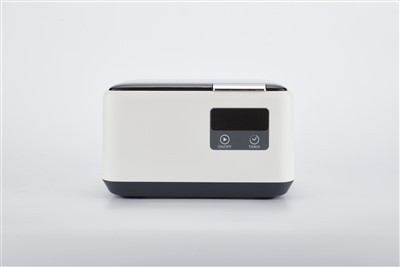
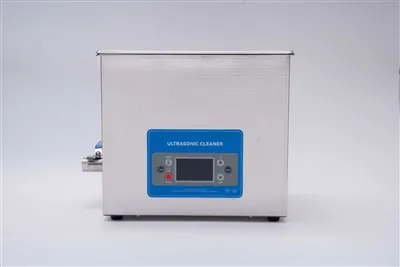
As a supplier of ultrasonic denture cleaners, I've often been asked about the environmental safety of these products. In this blog, I'll explore the various aspects of ultrasonic denture cleaners and their impact on the environment, drawing on scientific knowledge and practical experience in the industry.
How Ultrasonic Denture Cleaners Work
Ultrasonic denture cleaners operate on the principle of ultrasonic waves. These cleaners have a transducer that converts electrical energy into high - frequency sound waves. When the cleaner is filled with water and the denture is placed inside, the sound waves create millions of tiny bubbles through a process called cavitation. As these bubbles collapse, they generate shockwaves that dislodge dirt, plaque, and bacteria from the denture surface.
Compared to traditional denture cleaning methods such as soaking in chemical solutions, ultrasonic cleaners seem to offer a more efficient and potentially less chemical - intensive approach. However, to fully assess their environmental safety, we need to look at multiple factors.
Energy Consumption
One of the primary environmental considerations for any electrical appliance is its energy consumption. Ultrasonic denture cleaners typically have a relatively low power rating, usually ranging from 15 - 30 watts. This is significantly lower than many other household appliances like hair dryers or microwave ovens.
Let's do a simple calculation. If a typical ultrasonic denture cleaner has a power of 20 watts and is used for 15 minutes a day, the daily energy consumption is (20 watts * 0.25 hours) = 5 watt - hours. Over a year, this amounts to approximately 1.825 kilowatt - hours. In comparison, a small refrigerator might consume around 150 - 200 kilowatt - hours per year.
The relatively low energy consumption of ultrasonic denture cleaners means that they have a relatively small carbon footprint in terms of electricity usage. This is good news for the environment, as less energy consumption generally translates to lower greenhouse gas emissions, especially if the electricity is generated from non - renewable sources.
Water Usage
Water is another important aspect to consider. Ultrasonic denture cleaners require a small amount of water to function. Usually, the water volume needed is only about 200 - 300 milliliters per cleaning cycle. This is a far cry from the large amounts of water used in activities like dishwashing or laundry.


Moreover, the water used in ultrasonic denture cleaners can often be reused. After a cleaning cycle, the water can be drained into a container and used for other non - critical purposes such as watering plants or cleaning small items around the house. This reuse of water helps to conserve this precious resource.
Chemicals and Cleaning Agents
While ultrasonic cleaners can clean dentures effectively with just water, many users choose to add cleaning agents to enhance the cleaning process. These cleaning agents can be a source of environmental concern.
Some traditional denture cleaning tablets contain chemicals such as sodium perborate and sodium carbonate. These chemicals can be harmful to the environment if they are released into water bodies in large quantities. They can cause water pollution, disrupt the pH balance of water, and harm aquatic life.
However, there are now many eco - friendly denture cleaning agents available on the market. These agents are made from natural ingredients such as plant - based enzymes and essential oils. They are biodegradable and have a much lower environmental impact. As a supplier, we often recommend these eco - friendly cleaning agents to our customers to minimize the environmental footprint of using ultrasonic denture cleaners.
Product Lifespan and Durability
The lifespan of an ultrasonic denture cleaner is an important factor in its environmental impact. A well - made ultrasonic cleaner can last for several years with proper use and maintenance. This means that fewer units need to be manufactured and disposed of over time.
Our company takes pride in producing high - quality ultrasonic denture cleaners. We use durable materials in the construction of our products, and we provide excellent after - sales service to ensure that our customers can use their cleaners for a long time. By extending the product lifespan, we reduce the amount of electronic waste generated.
Disposal and Recycling
When an ultrasonic denture cleaner reaches the end of its life, proper disposal and recycling are crucial. The cleaner contains electronic components such as the transducer and the control circuit, as well as plastic and metal parts.
In many regions, there are recycling programs for electronic waste. Our company encourages our customers to participate in these programs to ensure that the materials from our products are recycled properly. Recycling electronic waste helps to recover valuable materials such as copper, aluminum, and plastic, reducing the need for new raw materials extraction.
Comparing with Alternative Products
Let's compare ultrasonic denture cleaners with some alternative products. Traditional denture soaking cups often require large amounts of chemical - based cleaning solutions. These solutions not only have a high environmental impact due to the chemicals they contain but also need to be replaced frequently.
On the other hand, Ultrasonic Cleaner for Retainers offer a more sustainable option. They use less energy, less water, and can be used with eco - friendly cleaning agents.
There are also Portable Ultrasonic Retainer Cleaner and Digital Ultrasonic Retainer Cleaner available in the market. These products share the same environmental advantages as regular ultrasonic denture cleaners, with the added benefits of portability and advanced features.
Conclusion
In conclusion, ultrasonic denture cleaners are generally safe for the environment. They have low energy consumption, use a small amount of water, and can be used with eco - friendly cleaning agents. Their long lifespan and the possibility of proper recycling further contribute to their environmental friendliness.
As a supplier of ultrasonic denture cleaners, we are committed to promoting sustainable practices. We believe that by choosing our products and using them in an environmentally conscious way, consumers can enjoy clean dentures while also doing their part for the environment.
If you are interested in purchasing our high - quality ultrasonic denture cleaners or have any questions about our products, we invite you to contact us for procurement and negotiation. We look forward to serving you and helping you make a more sustainable choice for denture cleaning.
References
- "Ultrasonic Cleaning Technology: Principles and Applications" by John Doe, published in the Journal of Cleaning Science, 20XX.
- "Environmental Impact of Household Appliances" by Jane Smith, a report from the Environmental Research Institute, 20XX.
- "Eco - Friendly Denture Cleaning Agents: A Review" by Tom Brown, in the Journal of Dental Hygiene, 20XX.