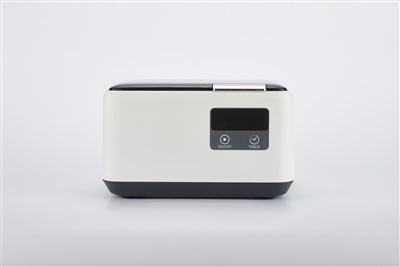
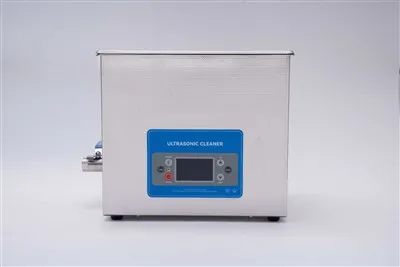
Hey there! As a supplier of Powerful Ultrasonic Parts Cleaners, I get a lot of questions about safety precautions when using these nifty machines. Ultrasonic parts cleaners are super effective at getting rid of dirt, grime, and contaminants from various parts, but like any powerful tool, they need to be used with care. Let's dive into some important safety measures you should keep in mind.
1. Read the Manual First
I can't stress this enough. Before you even plug in your Powerful Ultrasonic Parts Cleaner, take the time to read the user manual. The manual is like a roadmap that guides you through the proper setup, operation, and maintenance of the cleaner. It'll tell you things like the maximum load capacity, the recommended cleaning solutions, and how to troubleshoot common issues. Skipping this step is like trying to drive a car without knowing where the brakes are – it's just asking for trouble.
2. Wear Protective Gear
When you're working with an ultrasonic parts cleaner, it's a good idea to suit up in some protective gear. First off, wear a pair of safety goggles. The ultrasonic waves can cause the cleaning solution to splash, and you definitely don't want any of that stuff getting in your eyes. Gloves are also a must. Depending on the cleaning solution you're using, it could be caustic or have other harmful chemicals. Rubber gloves will protect your hands from any potential burns or skin irritation. And if you're working in a well - ventilated area, a respirator might be a good idea, especially if the cleaning solution gives off strong fumes.
3. Choose the Right Cleaning Solution
Not all cleaning solutions are created equal, and using the wrong one can not only damage your parts but also pose a safety risk. Make sure to use a cleaning solution that is specifically recommended for use with ultrasonic parts cleaners. Some cleaners are designed for general - purpose cleaning, while others are formulated for specific materials like metal, plastic, or glass. Using an incompatible solution can cause corrosion, discoloration, or even damage to the ultrasonic cleaner itself. And always follow the manufacturer's instructions on how to dilute the cleaning solution. Using it too concentrated can be dangerous, and using it too weak won't get the job done.
4. Mind the Temperature
Most ultrasonic parts cleaners have a heating element to help speed up the cleaning process. However, you need to be careful with the temperature settings. Overheating the cleaning solution can cause it to break down, releasing harmful fumes. It can also damage the parts you're cleaning, especially if they're made of heat - sensitive materials. Keep an eye on the temperature gauge and don't let it get too high. If you're not sure what the optimal temperature is for your parts and cleaning solution, refer back to the user manual.
5. Don't Overload the Cleaner
Each ultrasonic parts cleaner has a maximum load capacity, and it's important not to exceed it. Overloading the cleaner can prevent the ultrasonic waves from reaching all parts of the cleaning solution evenly, which means your parts won't get cleaned properly. It can also put extra strain on the cleaner's components, leading to premature wear and tear. So, take the time to arrange your parts in the cleaner in a way that allows for good circulation of the cleaning solution. If you have a lot of parts to clean, it's better to do it in batches.
6. Keep the Cleaner Clean
Just like you clean your parts in the ultrasonic cleaner, you also need to clean the cleaner itself regularly. Over time, dirt, debris, and residue from the cleaning solution can build up inside the cleaner. This can not only affect the performance of the cleaner but also create a breeding ground for bacteria. Turn off and unplug the cleaner before you start cleaning it. Use a soft brush and a mild cleaning solution to gently scrub the inside of the tank. Rinse it thoroughly with clean water and let it dry completely before using it again.
7. Electrical Safety
Since ultrasonic parts cleaners are electrical appliances, electrical safety is crucial. Always plug the cleaner into a grounded outlet. This helps prevent electrical shocks in case of a short circuit. Inspect the power cord regularly for any signs of damage, such as fraying or exposed wires. If you notice any problems, don't use the cleaner until you've replaced the cord. And never touch the cleaner or the cleaning solution with wet hands. Water and electricity are a dangerous combination, and you don't want to end up as a human light bulb.
8. Ventilation is Key
As I mentioned earlier, many cleaning solutions used in ultrasonic parts cleaners can give off fumes. These fumes can be harmful if inhaled in large quantities. That's why it's essential to work in a well - ventilated area. If you're using the cleaner in a small room, open a window or use a fan to circulate the air. If possible, set up the cleaner near an exhaust vent. This will help remove the fumes from the area and keep you safe.


9. Store the Cleaner Properly
When you're not using your ultrasonic parts cleaner, make sure to store it properly. Drain the cleaning solution from the tank and rinse it out thoroughly. Store the cleaner in a dry, cool place away from direct sunlight and heat sources. This will help prevent any damage to the cleaner and ensure that it's ready to use the next time you need it.
10. Be Careful When Handling Hot Parts
After the cleaning cycle is complete, the parts can be very hot, especially if the cleaner has a heating element. Use a pair of tongs or heat - resistant gloves to remove the parts from the cleaning solution. Let them cool down before you handle them with your bare hands. This will prevent any burns or injuries.
In conclusion, using a powerful ultrasonic parts cleaner can be a great way to keep your parts clean and in good working condition. But it's important to follow these safety precautions to ensure that you and your equipment stay safe. If you have any questions about safety or need help choosing the right ultrasonic parts cleaner for your needs, don't hesitate to reach out. We're here to help you make the most of your cleaning experience. Whether you're looking for Bulk Ultrasonic Automotive Parts Cleaners for your auto shop or an Ultrasonic bike chain cleaner for your cycling hobby, we've got you covered. If you're interested in purchasing our products or have any questions about our Powerful Ultrasonic Parts Cleaners, feel free to contact us for a procurement discussion.
References
- Manufacturer's user manuals for ultrasonic parts cleaners
- Safety guidelines from chemical manufacturers for cleaning solutions
- Industry standards for ultrasonic cleaning equipment