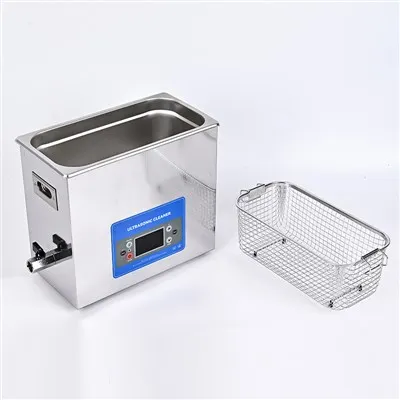
As a supplier of ultrasonic jewelry cleaners, I've had numerous conversations with customers about the effectiveness and limitations of these handy devices. Ultrasonic jewelry cleaners have gained significant popularity due to their ability to provide a deep and efficient clean for a variety of jewelry pieces. However, like any product, they come with their own set of drawbacks. In this blog post, I'll explore some of the potential issues associated with using ultrasonic jewelry cleaners.
Understanding the Basics of Ultrasonic Jewelry Cleaners
Before delving into the drawbacks, it's essential to understand how ultrasonic jewelry cleaners work. These devices use high - frequency sound waves to create tiny bubbles in a cleaning solution. When these bubbles collapse, they generate a powerful scrubbing action that can dislodge dirt, grime, and other contaminants from the surface and crevices of jewelry.
Potential Damage to Delicate Jewelry
One of the most significant drawbacks of using an ultrasonic jewelry cleaner is the potential for damage to delicate jewelry. Some gemstones and materials are more fragile and may not withstand the intense vibrations produced by the ultrasonic waves.
Soft Gemstones
Gemstones such as opals, pearls, and turquoise are relatively soft and porous. The ultrasonic cleaning process can cause these stones to crack, chip, or lose their luster. Opals, for example, contain a significant amount of water, and the rapid changes in pressure during ultrasonic cleaning can cause the water to expand and contract, leading to internal fractures. Pearls are also sensitive to the cleaning solution and the mechanical action of the ultrasonic waves, which can damage their delicate surface. Turquoise, being a porous stone, can absorb the cleaning solution, which may cause discoloration or damage.
Loose or Weakly Set Stones
Jewelry with loose or weakly set stones is also at risk. The vibrations from the ultrasonic cleaner can cause these stones to become even looser or fall out completely. Prong - set diamonds or other gemstones that have worn or damaged prongs are particularly vulnerable. If the prongs are not holding the stone securely, the ultrasonic waves can dislodge the stone, resulting in a significant loss.
Organic Materials
Jewelry made from organic materials like amber, coral, and ivory should not be cleaned in an ultrasonic cleaner. These materials are soft and can be easily damaged by the cleaning solution and the mechanical action. Amber, for instance, is a fossilized resin that can be scratched or melted by the heat generated during the ultrasonic cleaning process. Coral and ivory are also porous and can absorb the cleaning solution, leading to discoloration and structural damage.
Inadequate Cleaning for Certain Types of Jewelry
While ultrasonic cleaners are effective for removing dirt and grime from most jewelry, there are some types of jewelry that may not be cleaned adequately.
Jewelry with Intricate Designs
Jewelry with intricate designs, such as filigree or detailed engravings, may have areas that are difficult to reach with the ultrasonic waves. The cleaning solution may not be able to penetrate deep into these narrow crevices, leaving dirt and debris trapped inside. In such cases, additional manual cleaning methods may be required to ensure a thorough clean.
Heavily Soiled Jewelry
If a piece of jewelry is heavily soiled with stubborn stains or grease, an ultrasonic cleaner may not be sufficient. The ultrasonic waves may be able to loosen some of the dirt, but the cleaning solution may not be strong enough to dissolve all the contaminants. In these situations, a more aggressive cleaning method, such as soaking in a specialized cleaning agent or using a gentle brush, may be necessary.
Chemical Reactions with the Cleaning Solution
The cleaning solution used in an ultrasonic jewelry cleaner is an important factor to consider. Different cleaning solutions can have different effects on jewelry, and there is a risk of chemical reactions.

Incompatible Metals
Some metals may react with the cleaning solution, leading to discoloration or corrosion. For example, silver jewelry can tarnish more quickly if it is cleaned with a solution that contains certain chemicals. Copper and brass can also react with acidic cleaning solutions, causing them to develop a greenish - brown patina. It's important to choose a cleaning solution that is compatible with the specific metals in the jewelry.
Residue Build - Up
Over time, the cleaning solution can leave a residue on the jewelry. This residue can attract more dirt and grime, making the jewelry look dull and dirty. If the residue is not removed properly, it can also cause damage to the jewelry surface. Using a high - quality cleaning solution and rinsing the jewelry thoroughly after cleaning can help minimize this problem.
Safety Concerns
There are also some safety concerns associated with using an ultrasonic jewelry cleaner.
Electrical Hazards
As with any electrical appliance, there is a risk of electrical shock if the ultrasonic cleaner is not used properly. It's important to ensure that the device is plugged into a grounded outlet and that the power cord is in good condition. Avoid using the cleaner with wet hands or in a wet environment to prevent electrical accidents.
Exposure to Chemicals
The cleaning solution used in the ultrasonic cleaner may contain chemicals that can be harmful if inhaled, ingested, or come into contact with the skin. It's essential to follow the manufacturer's instructions when handling the cleaning solution and to use it in a well - ventilated area. Wear gloves and eye protection to prevent exposure to the chemicals.
Addressing the Drawbacks
While there are drawbacks to using an ultrasonic jewelry cleaner, there are also ways to minimize these risks.
Pre - Cleaning Inspection
Before using an ultrasonic cleaner, it's important to inspect the jewelry carefully. Check for loose stones, damaged settings, and any signs of wear or damage. If you have any doubts about whether a particular piece of jewelry can be safely cleaned in an ultrasonic cleaner, it's best to consult a professional jeweler.
Selecting the Right Cleaning Solution
Choose a cleaning solution that is specifically formulated for the type of jewelry you are cleaning. There are many commercial cleaning solutions available that are designed to be gentle on different types of metals and gemstones. Read the label carefully and follow the instructions for use.
Limiting Cleaning Time
Reducing the cleaning time can also help minimize the risk of damage. Start with a short cleaning cycle and check the jewelry regularly to see if it is clean enough. If necessary, you can repeat the process for a longer period, but be careful not to over - clean the jewelry.
Conclusion
In conclusion, while ultrasonic jewelry cleaners are a convenient and effective way to clean most jewelry, they do have some drawbacks. It's important to be aware of these limitations and take the necessary precautions to protect your valuable jewelry. As a supplier of ultrasonic jewelry cleaners, I always recommend that customers educate themselves about the proper use of these devices and consult a professional jeweler if they have any concerns.
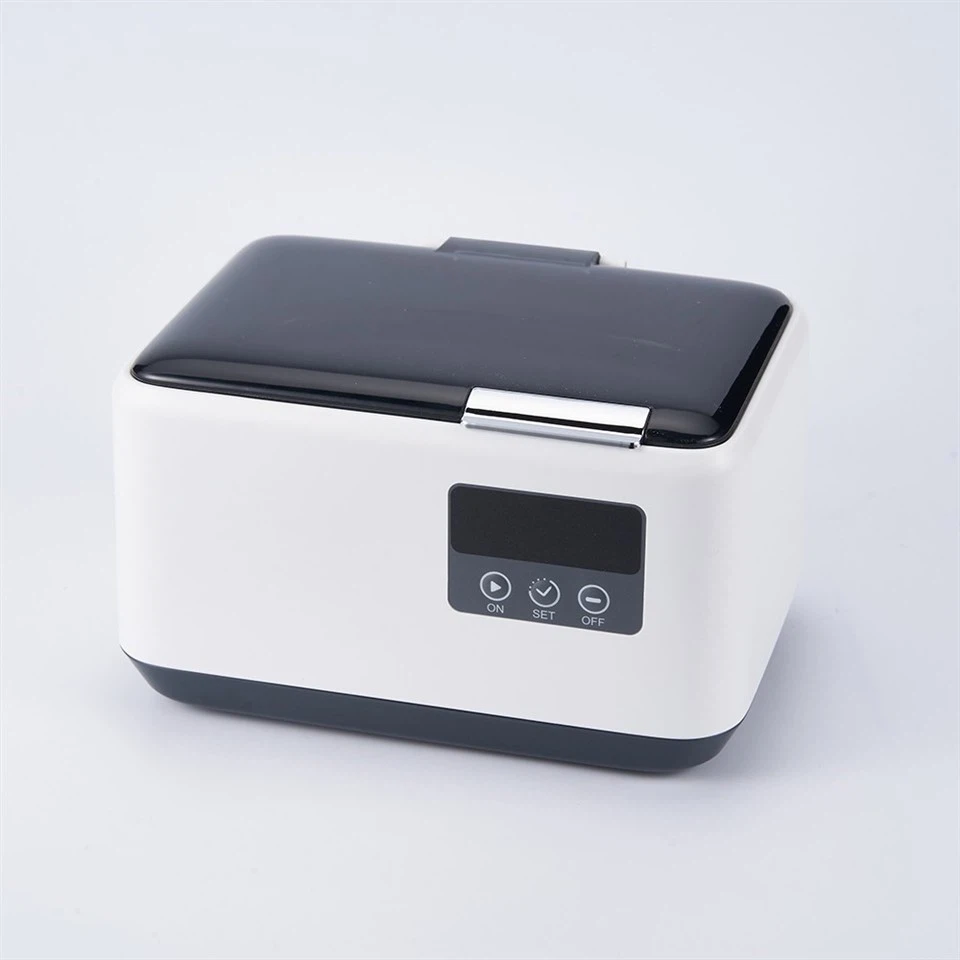
If you're interested in purchasing an ultrasonic jewelry cleaner, we offer a range of high - quality products, including the Gold Jewellery Ultrasonic Cleaner, Portable Ultrasonic Jewelry Cleaner, and Digital Ultrasonic Jewellery Cleaner. We are committed to providing our customers with the best products and advice to ensure that they can clean their jewelry safely and effectively. If you have any questions or would like to discuss your specific needs, please feel free to contact us for a procurement discussion.
References
- "Gemstone Care Guide," Gemological Institute of America (GIA).
- "Cleaning and Caring for Your Jewelry," American Gem Society (AGS).
- Manufacturer's manuals for ultrasonic jewelry cleaners.